Artysta w centrum uwagi: Kenji Kobayashi
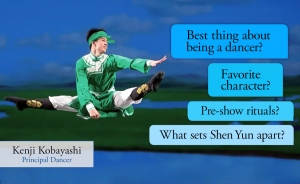
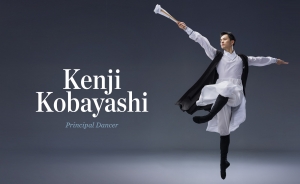
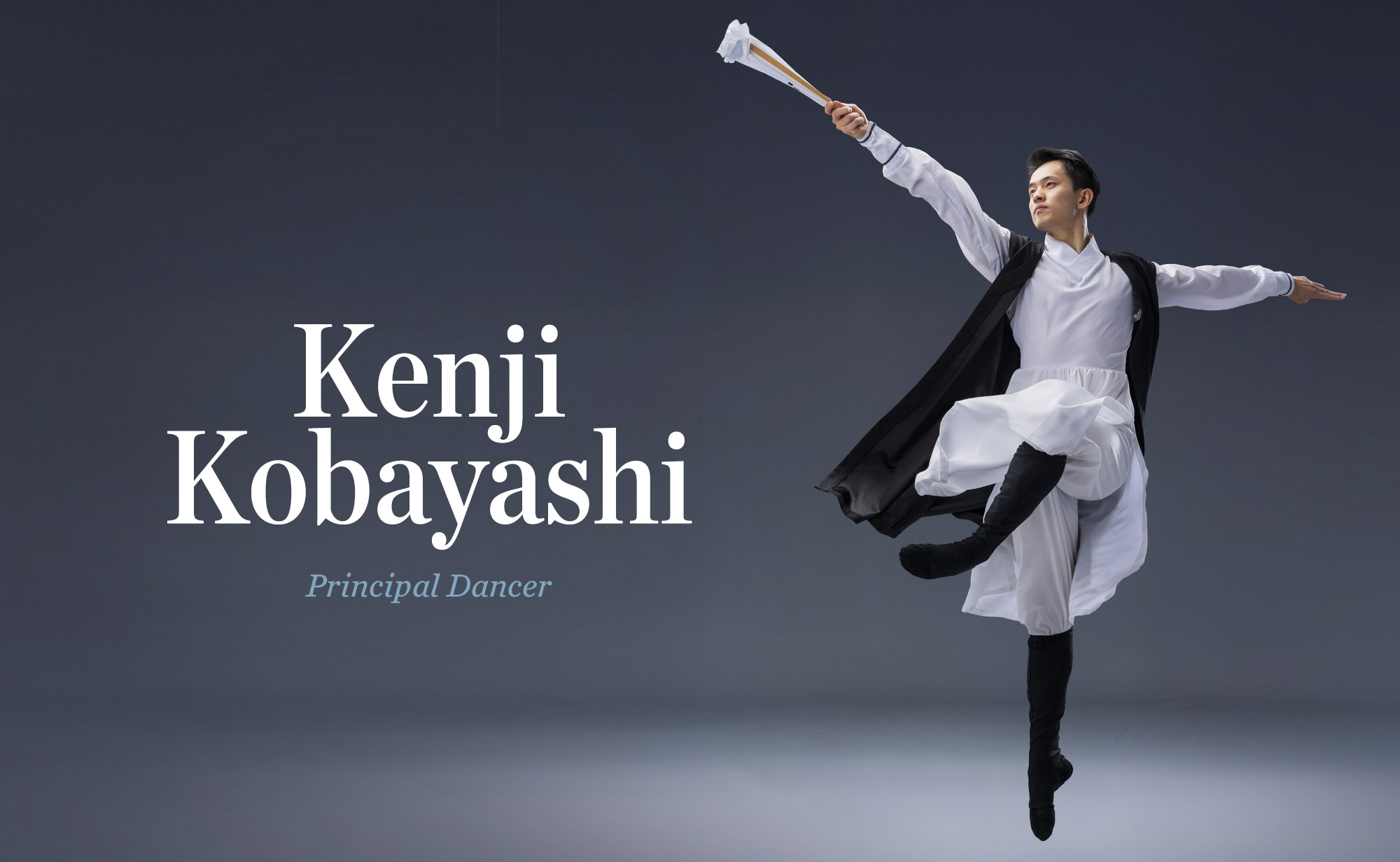
Urodzony w Tokio Kenji Kobayashi jest utalentowanym tancerzem, niesamowitym fotografem i jednym z najbardziej skromnych ludzi, jakich można spotkać. W 2016 roku zdobył złoty medal na Międzynarodowym Konkursie Klasycznego Tańca Chińskiego organizowanym przez New Tang Dynasty Television, wystąpił w niezapomnianych spektaklach Shen Yun, takich jak „Król Małp na Górze Ognia” (2017) i „Poświęcenie” (2024), a także cieszy się ogromną popularnością za każdym razem, gdy zespół powraca do jego ojczystej Japonii. Poznajmy go nieco lepiej.

Kenji Kobayashi
„Dawanie innym nadziei i radości – to najgłębszy sens mojego życia.
Dwadzieścia lat temu Shen Yun mnie zainspirowało.
Wielka sztuka budzi w nas dobroć, wiarę i szacunek dla czegoś wyższego od nas samych.
Dzisiaj stoję na tej scenie, kontynuując tę inspirację i dzieląc się nią ze światem”.
Piętnaście pytań do Kenjiego
Kiedy po raz pierwszy zainteresowałeś się tańcem?
W 2006 roku, kiedy miałem dziewięć lat – po raz pierwszy obejrzałem występ Shen Yun w Japonii i byłem całkowicie zachwycony tancerzami na scenie. Nadal pamiętam utwór „Mongolskie stepy”. Nie mogłem przestać o nim myśleć, zwłaszcza o jednym z ruchów tanecznych. Kiedy wróciłem do domu, codziennie pokazywałem ten ruch mojej mamie. Później dowiedziałem się, że była to chińska technika taneczna zwana „skokiem w kółku”. Od tego dnia marzyłem o tym, by zostać tancerzem takim jak oni.
Kolejnym powodem jest to, że mimo młodego wieku rozumiałam, iż Shen Yun ujawnia prześladowania Falun Gong przez Komunistyczną Partię Chin. Kiedy byłam dzieckiem, moja babcia została bezprawnie osadzona w obozie pracy przez KPCh. Aby pomóc w jej uwolnieniu, rozdawałem ulotki i mówiłem o tym wielu ludziom, mając nadzieję, że wszyscy zrozumieją, co naprawdę się dzieje.

Co najbardziej podoba ci się w występowaniu na scenie?
Na początku było to uczucie, które pojawia się, gdy twoja ciężka praca zostaje doceniona – to sprawiało, że wszystko było tego warte. Występowanie polega tak naprawdę na dawaniu czegoś publiczności, a jej reakcja wiele dla nas, artystów, znaczy. Z czasem jednak zacząłem naprawdę cieszyć się samym procesem – próbami i dopracowywaniem czegoś, a następnie prezentowaniem tego na scenie. Uwielbiam być na scenie, zwłaszcza gdy wcielam się w wielowarstwowe i złożone postacie. Bardzo lubię zgłębiać ich emocje i je uosabiać.

Czy kiedykolwiek miałeś tremę lub przeżyłeś przerażający moment na scenie?
Kiedy zaczynałem tańczyć, tak, denerwowałem się. Później, gdy nabrałem większej pewności siebie w tańcu, zacząłem czuć się mniej zdenerwowany. Ale wtedy byłem też trochę arogancki i nie zdawałem sobie sprawy, jak ogromny jest naprawdę świat sztuki. Po napotkaniu kilku przeszkód w mojej karierze tanecznej powoli uświadomiłem sobie, jak niewiele wiem, i zacząłem darzyć świat występów scenicznych szacunkiem. Teraz zarówno czerpię radość ze sceny, jak i darzę ją szacunkiem… Myślę, że to jest ta równowaga.
Jak udaje ci się zachować świeżość i utrzymać wysoki poziom artystyczny, występując w większości sezonów ponad 100 razy?
Przed każdym występem powtarzam sobie, że muszę zatańczyć lepiej niż poprzednio, bo zawsze jest coś, co można poprawić. Zmęczenie pojawia się dopiero wtedy, gdy popadasz w samozadowolenie. Ale sztuka nie zna granic. Jeśli twoje serce pozostaje ciekawe świata, zawsze znajdziesz coś nowego. Oczywiście zdarzają się momenty, kiedy osiągasz pewien pułap, ale wtedy najważniejsza jest wytrwałość.
Myślałem też o tym, że każdy występ to nowa publiczność. Idealnie byłoby, gdybym każdy występ traktował jak pierwszy. Jednak realistycznie rzecz biorąc, nie zawsze dobrze widać publiczność, a wszystko może wydawać się powtarzalne. Trzeba więc znaleźć motywację w sobie, aby ożywić każdy występ.
Co Twoim zdaniem było dotychczas najważniejszym wydarzeniem w Twojej karierze tanecznej?
Wszystko, co wiąże się z Shen Yun – możliwość podróżowania po całym świecie z zespołem, poznawanie ludzi z różnych miejsc, doświadczanie nowych kultur, kuchni i zapierających dech w piersiach krajobrazów! Uwielbiam też fotografię, zwłaszcza robienie zdjęć słynnych gór, rzek i zabytków.

Jaką rolę odgrywa Falun Dafa w Twoim życiu i treningu?
To moja przewodnia zasada – mój kompas. W codziennym życiu łatwo jest dać się ponieść emocjom, gonić za wynikami, wątpić w siebie, narzekać lub obwiniać innych. Szczerze mówiąc, bez nauk Falun Dafa nie sądzę, żebym był dobrym człowiekiem.
Praktyka duchowa pomaga mi uwolnić się od ego, a mówiąc szczerze, przynajmniej podążać ścieżką prowadzącą do uwolnienia się od ego. Powstrzymuje mnie przed zagubieniem się w pogoni za sławą lub zyskiem albo przed życiem wyłącznie dla emocjonalnej satysfakcji. Czasami zdarza mi się zboczyć z drogi, ale nauki zawsze pomagają mi powrócić na właściwą ścieżkę, zamiast podążać za negatywnymi myślami.
Powiedziałabym więc, że Falun Dafa jest dla mnie niezwykle ważne. W życiu i w tańcu pozwala mi zachować racjonalność i życzliwość, zawsze starać się być lepszą wersją siebie. Jestem również bardzo wdzięczny, że otaczają mnie koledzy, uczniowie i nauczyciele, którzy podzielają te same wartości. Konflikty mogą się zdarzyć wszędzie, ale moja praktyka duchowa przypomina mi, bym spojrzała do wewnątrz, zamiast obwiniać innych.
Czy życie w Shen Yun jest wymagające?
Tak, Shen Yun ma bardzo wysokie standardy – zarówno w zakresie tańca, jak i charakteru moralnego – a standardy te wciąż rosną, dzięki czemu nieustannie się doskonalimy. Sztuka nie ma granic; jeśli nie robisz postępów, pozostajesz w tyle.
Każde nowe pokolenie wykonawców jest jeszcze bardziej utalentowane niż poprzednie, co z pewnością wywiera presję, ale jednocześnie motywuje mnie do rozwoju artystycznego.
Przeszedłem przez wiele etapów. Na początku taniec był naprawdę trudny. Później widok rezultatów dał mi motywację. Ale w końcu utknąłem w martwym punkcie. Moje podejście do życia wymagało zmiany. Kiedy poszerzyło się moje spojrzenie, otworzył się przede mną zupełnie nowy świat. Każdy etap ma swoje wyzwania, a często najtrudniejsze bitwy toczą się w nas samych. Dla mnie lekcją było dawanie z siebie wszystkiego, bez obsesji na punkcie wyników.
Co sprawia, że chiński taniec klasyczny jest wyjątkowy?
Chiński taniec klasyczny ma głębokie korzenie historyczne i kulturowe oraz niesamowity potencjał ekspresyjny. Jest rozległy i głęboki. Obejmuje grę aktorską, prezencję (shen-yun), ruchy i pozycje (shen-fa) oraz umiejętności techniczne, takie jak salta i skoki. Wszystkie te elementy są niezbędne w chińskim tańcu klasycznym. To niezwykle bogata forma sztuki.
Jak się skupiasz przed występem? Jak się relaksujesz po nim?
Przed występem po prostu upewniam się, że jestem dobrze rozgrzana, jestem w najlepszym stanie psychicznym i dostosowuję się do tego, jak czuje się moje ciało danego dnia. Po występie uwielbiam brać gorącą kąpiel, aby zrelaksować się zarówno psychicznie, jak i fizycznie.


Jakie jest Twoje ulubione hobby lub sposób spędzania wolnego czasu i dlaczego?
Uwielbiam fotografię, pisanie wierszy i gotowanie. Kiedy porusza mnie piękna scena lub doświadczenie, lubię pisać wiersze. To mój sposób na rozmowę z samą sobą i uchwycenie emocji. Nawet jeśli moje teksty nie są zbyt dobre, to wciąż jest to sposób na wyrażenie uczuć. Był czas, kiedy pisałam ponad sto wierszy rocznie.
Fotografia – po prostu ją uwielbiam. Nie ma żadnego konkretnego powodu.
Ostatnio szczególnie zakochałam się w gotowaniu. To niesamowicie relaksujące, daje ogromną satysfakcję i wiele się dzięki temu nauczyłam. Gotuję dania kuchni japońskiej, chińskiej i zachodniej.
W pewnym sensie gotowanie, fotografia i taniec są do siebie podobne: tworzysz coś, zdajesz sobie sprawę, że różni się to od tego, co sobie wyobrażałaś, a następnie zastanawiasz się, dlaczego tak jest, ponownie eksperymentujesz i wyciągasz z tego wnioski.
Jaka jest jedna nieoczekiwana trudność związana z trasą koncertową?
Zdecydowanie długie przejazdy autokarem.
Jakie jest Twoje ulubione miejsce, które odwiedzasz podczas trasy koncertowej, i dlaczego?
Japonia! Japonia! Japonia! Dawno tam nie występowałem, ale mam nadzieję, że wkrótce to nadrobię.
Która z granych przez Ciebie postaci zapadła Ci najbardziej w pamięć?
Zhao Yun w „Samotnej wyprawie na ratunek”. To bardzo wyrazista i skomplikowana rola, pełna dramatycznych wzlotów i upadków. Jest to rola, której granie daje ogromną satysfakcję, ale jest też wyczerpujące. Zhao Yun jest lojalny, odważny, inteligentny i bezinteresowny. Wszystkie te cechy, w tym jego poświęcenie i oddanie, naprawdę mnie poruszyły.
Jak myślisz, jaki jest najwyższy poziom tańca?
Jeśli chodzi o umiejętności techniczne, to jest to coś, co nazywamy shen-dai-shou („ciało prowadzi ręce”) i kua-dai-tui („biodra prowadzą nogi”).
Kiedy umiejętności techniczne osiągną pewien poziom, najważniejsza staje się głębia kulturowa i to, co masz w sobie. Zaczyna się to od samodoskonalenia wykonawcy; to jest najważniejsze. Artystyczne wyrafinowanie polega na tym, jak wykorzystujesz swoje ruchy i finezję ekspresji, aby zapewnić widzom niezapomniane wrażenia. Ta wyjątkowa cecha, to wewnętrzne uczucie, jest tym, czego inni nie potrafią naśladować.
Gdybyś mógł spotkać się ze swoją młodszą wersją, kiedy dopiero zaczynałeś karierę artystyczną, co byś mu powiedział?
Pracuj ciężej, jeszcze ciężej. Bądź pokorny i nie narzekaj – po prostu rób to.
Spektal Shen Yun 2026 powstaje w tej chwili. Odwiedź naszą stronę z biletami na nadchodzącą trasę koncertową, która rozpocznie się w grudniu.
Kliknij tutaj, aby zobaczyć cały filmik.
February 8, 2026